Packaging is often settled at the end of a chemical enquiry, yet it shapes the landed cost, the work your stores team does and how safely the product is handled. The same product can arrive as a few drums or as a full tanker; the right choice depends on how much you use, how you store it and what the product itself needs.
The main options at a glance
| Format | Typical size | Best suited to |
|---|---|---|
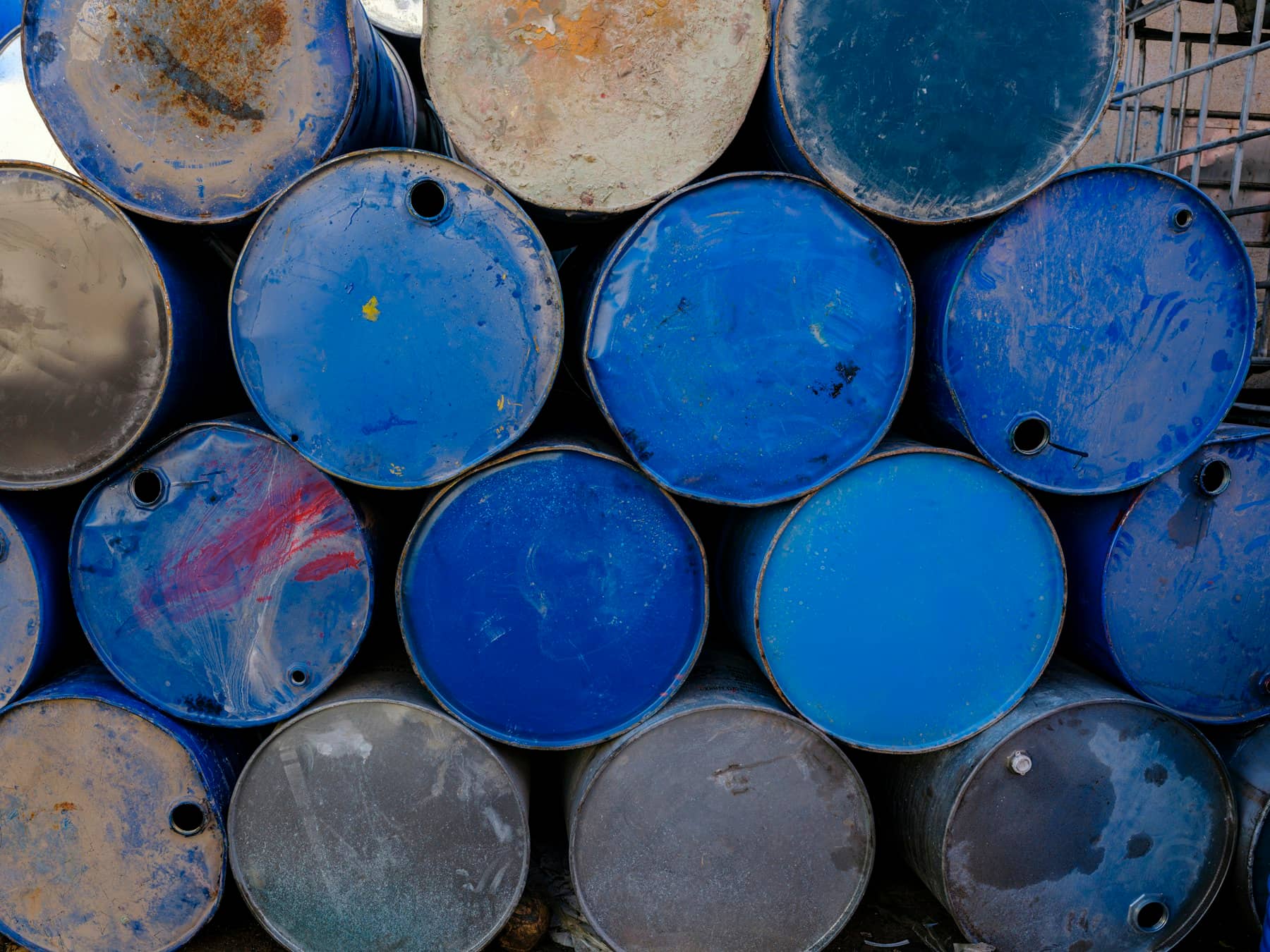
| Drums | About 200 litres; net weight depends on the product’s density | Trial lots, low monthly use, several small consumption points |
| IBCs | About 1,000 litres | Regular mid-size use — one IBC replaces roughly five drums |
| Bags and jumbo bags | 25 kg bags; jumbo bags of roughly 500–1,000 kg | Solids such as paraformaldehyde |
| ISO tank containers | Roughly 20,000–26,000 litres | International bulk liquids, including heated cargo such as molten phenol |
| Road tankers | Full or part loads | Domestic bulk deliveries into your own storage tank |
Four questions that decide the format
1. How much do you use, and how often?
Bulk formats lower the packaging cost per kilogram, but only if you consume the material before storage becomes a problem. A plant using a tanker-load a month is a natural bulk buyer; one using a few drums a quarter is not.
2. What can your site receive and store?
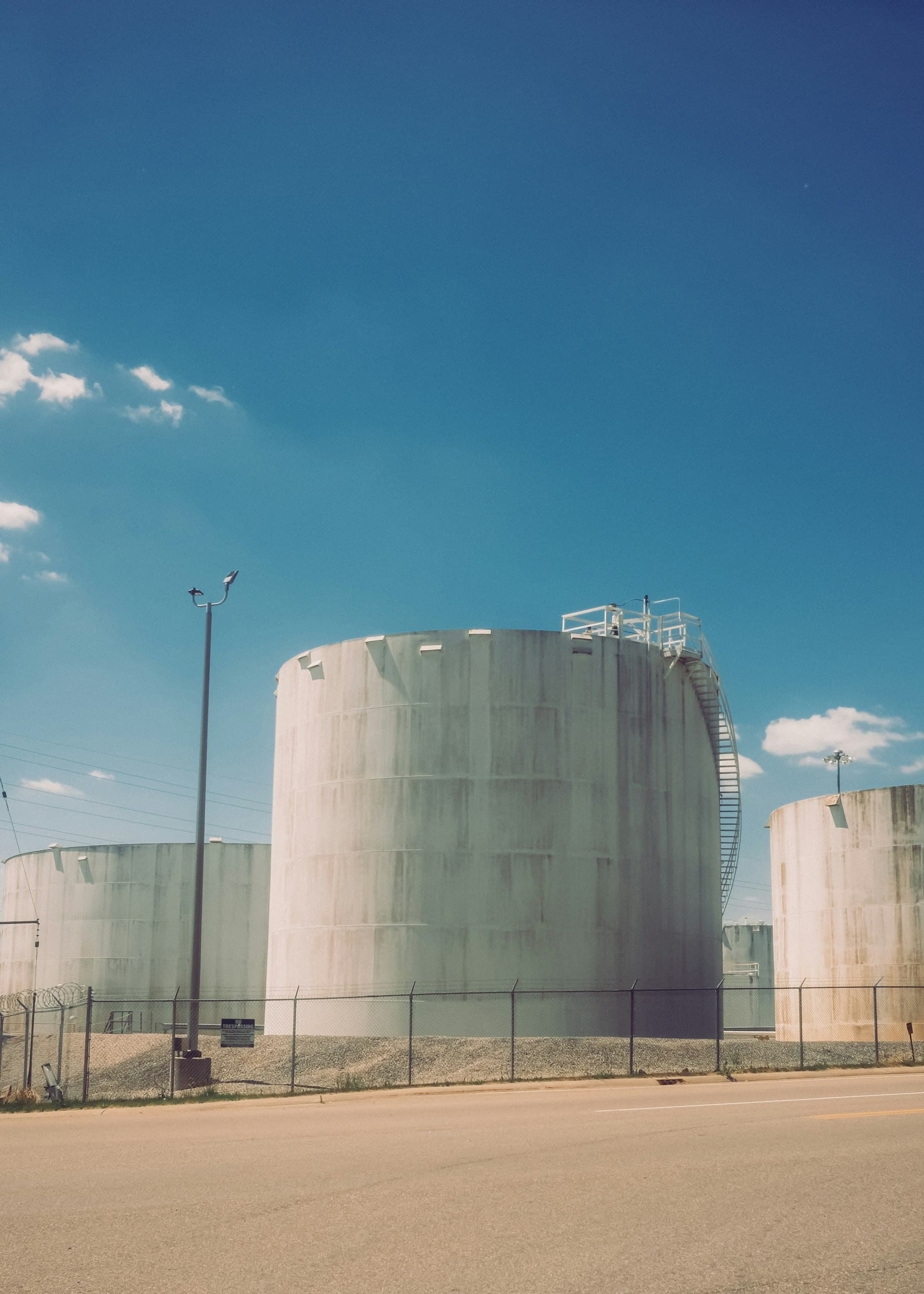
Road tankers and ISO tanks need a suitable storage tank, a pump or unloading arrangement and — for flammable liquids such as methanol and acetone — earthing and the right hazardous-area equipment. Drums and IBCs need racking, bunded storage and forklift access instead.
3. What does the product need?
Some products decide the format for you. Phenol is solid at room temperature, so bulk phenol travels molten in heated, insulated tanks, while drummed phenol has to be melted on site. Formaldehyde solution needs temperature control so that solids do not form. Paraformaldehyde is a powder or prill and comes in bags. Compatibility matters too: the container, or its lining, must suit the chemical.
4. What do the transport rules require?
Most of these products are dangerous goods in transport — methanol and acetone as flammable liquids (Class 3), formaldehyde solution as corrosive (Class 8), phenol as toxic (Class 6.1) and paraformaldehyde as a flammable solid (Class 4.1). Packaging has to be approved for the product’s UN number, labelled correctly and accompanied by the right documents, including the safety data sheet.
Hidden costs worth counting
- Handling time — unloading, moving and decanting forty drums takes far longer than connecting one tanker.
- Residues and empties — drums and IBCs leave heels and empty packaging that must be drained, returned or disposed of properly.
- Storage space — packed goods use warehouse floor and bunded area; bulk needs a tank but little else.
- Quality risk — every transfer is a chance for contamination or moisture pick-up, which matters for grades with tight water limits.
Tell us how you receive material
When you send an enquiry, include your usual pack size, monthly volume, storage set-up and delivery location. Packaging options vary by product and availability, and the format, dispatch and delivery are coordinated against the terms agreed with you. Read more on our sourcing and supply page.